
- 186 Ela Ivura Road, Hendala Wattala 11300, Sri Lanka
- Phone: +94774192370


In Sri Lanka, the tuk-tuk is everywhere. Its hum fills city streets, coastal roads, and hill-country bends, becoming part of the background noise of daily life. It’s not just transport — it’s how people move, meet, and navigate the rhythm of the island.
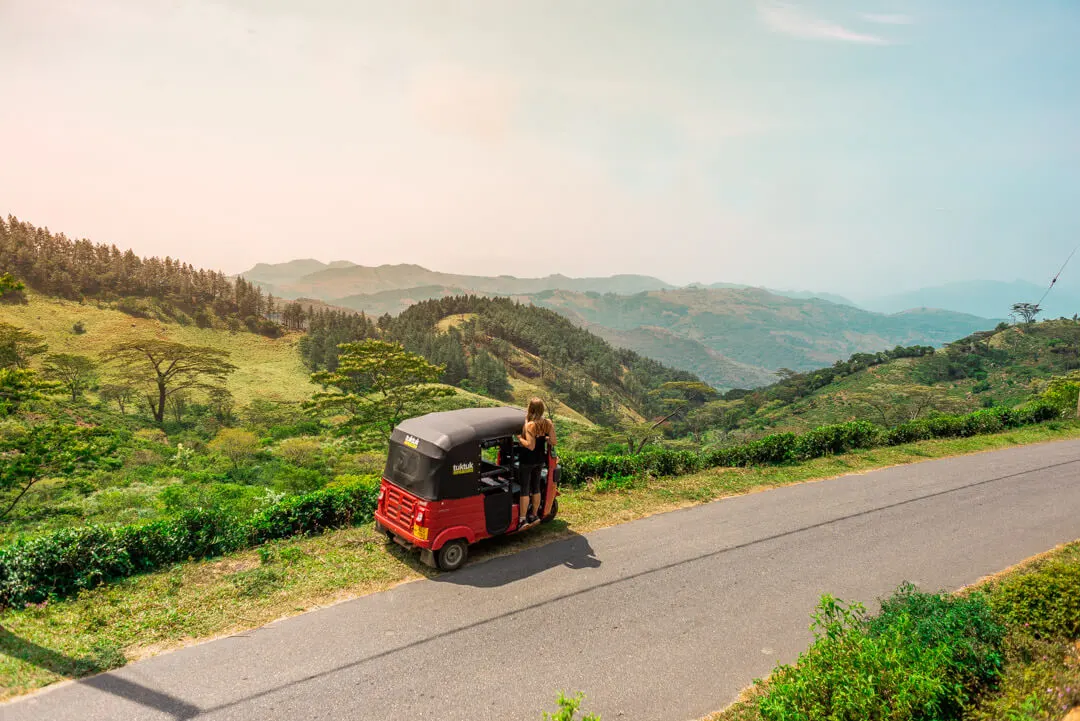
A tuk-tuk journey is rarely silent or predictable. Drivers chat, laugh, point things out, and sometimes take shortcuts only they seem to know. Windows stay open, the breeze rushes in, and the world feels closer. Every ride becomes a small interaction, a shared moment rather than a simple transfer.

From busy town centres to quiet village lanes, tuk-tuks go where larger vehicles can’t. They slip through traffic, wind past homes, markets, and roadside shops, offering a ground-level view of everyday Sri Lanka. Nothing feels filtered — what you see is real, immediate, and unpolished.
Tuk-tuks don’t rush, even when they move fast. There’s an unspoken acceptance that journeys take the time they take. Stops happen naturally — for directions, quick chats, or unexpected views. It’s travel without urgency, even in motion.
Often, it’s the driver who makes the journey memorable. Stories are shared, music plays softly, and local knowledge fills the ride. These conversations — brief but genuine — add a human layer to the experience that no guidebook can offer.
Tuk-tuk life leaves you feeling connected. Not to a place on a map, but to the everyday flow of Sri Lanka. It’s noisy, imperfect, warm, and welcoming — a reminder that sometimes the journey itself becomes one of the best memories.